
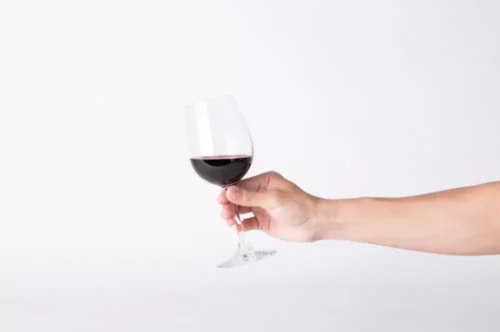
Alcohol inhibits the action of vasopressin, causing your kidneys to produce more urine than usual. This increased urination can lead to fluid loss that often goes unnoticed until symptoms of dehydration appear. Our products do not prevent intoxication or protect against alcohol related damage that may be caused by excessive or long term drinking.
Conversion of Alcohols into Alkyl Halides

Dehydration is also a big part of why you get a hangover after drinking too much. Some cocktails can take a toll on your hydration because of additional ingredients. “If you pair alcohol with another diuretic substance such as caffeine, you may naturally urinate more and become even more dehydrated,” Dr. Alexa Mieses Malchuk, M.D., a family physician, tells Bustle.
- In conclusion, liquor does indeed dehydrate you due to its diuretic properties which increase urine output while reducing fluid retention hormones like vasopressin.
- Other lifestyle factors, such as exercise, climate, and medication use, can also impact alcohol’s dehydrating effects.
- Salty foods, like chips and other snacks, are also risky when it comes to staying hydrated.
- Although alcohol has no carbs, it’s a toxin, and the liver prioritizes the detoxification of ethanol over other metabolic functions, which inhibits fat-burning and ketosis.
When is Alcohol Dehydration an Emergency?

A difference in a gene that affects the way the body breaks down alcohol may make some people flush, sweat or become ill after drinking even a small amount of alcohol. These give many types of alcoholic beverages their taste and smell. Congeners are found in larger amounts in dark liquors, such as brandy and bourbon, than in clear liquors, such as vodka and gin. Not only is it an acid, but it is also a strong oxidising agent. It oxidises some of the alcohol to carbon dioxide and at the same time is reduced itself to sulphur dioxide.

Health Goal
But the only guaranteed way to prevent a hangover is to not drink alcohol. A single alcoholic drink is enough to trigger a hangover for some people, while others may drink heavily and not have a hangover. A hangover is a group of unpleasant symptoms that can happen after drinking too much alcohol. As if feeling awful weren’t bad enough, frequent hangovers also are linked with poor performance and conflict at home, school and alcohol dehydration work. Ethanol is heated with an excess of concentrated sulphuric acid at a temperature of 170°C. The gases produced are passed through sodium hydroxide solution to remove the carbon dioxide and sulphur dioxide produced from side reactions.
- When you don’t adequately replace this excess loss of fluids, you become dehydrated.
- Without enough ADH, your kidneys produce more urine, which can lead to dehydration.
- This approach helps maintain hydration levels while allowing you to enjoy your drinks.
- Drinking water while you’re still drunk isn’t going to prevent you from becoming dehydrated, but it may help lessen the degree to which you’re dehydrated.
- Additionally, our tap water is heavily processed and filtered, leaving most of the minerals behind.
- When you’re drinking more than usual, it’s important to remember to consume alcohol responsibly (for both your health and safety!).
Snack Wisely While Drinking
It’s important to stay hydrated while consuming alcohol and to drink water before, during, Alcoholics Anonymous and after drinking alcohol to prevent dehydration. Alcohol acts as a diuretic, increasing urine production and leading to fluid loss. This process can significantly deplete your body’s hydration levels. When you drink, your body prioritizes metabolizing alcohol over retaining water, resulting in increased dehydration.